Siting on clay-based terrain
Containers need a firm, level surface to keep doors aligned and contents accessible. On paved lots, a straight set-down is straightforward. On unpaved or partially improved sites, seasonal rain turns clay slick and soft, which affects both delivery and long-term stability. Where only a compacted base is available, think about drainage and whether the container can sit slightly upslope of traffic ruts.
Access: delivery geometry and daily use
Measure gate width, turning radius inside the site, and the set-down corridor. Tallahassee’s institutional areas often have service lanes with tight turns; a shorter container may be easier to place without disturbing landscaped edges. Once placed, confirm door clearance against curbs, fencing, or temporary barricades.
- Door orientation: face work zones to minimize crossing active lanes
- Aisle planning: leave forklift or pallet-jack paths on slab
- Security plan: consider visibility near busy facilities versus seclusion at industrial sites
Size and configuration
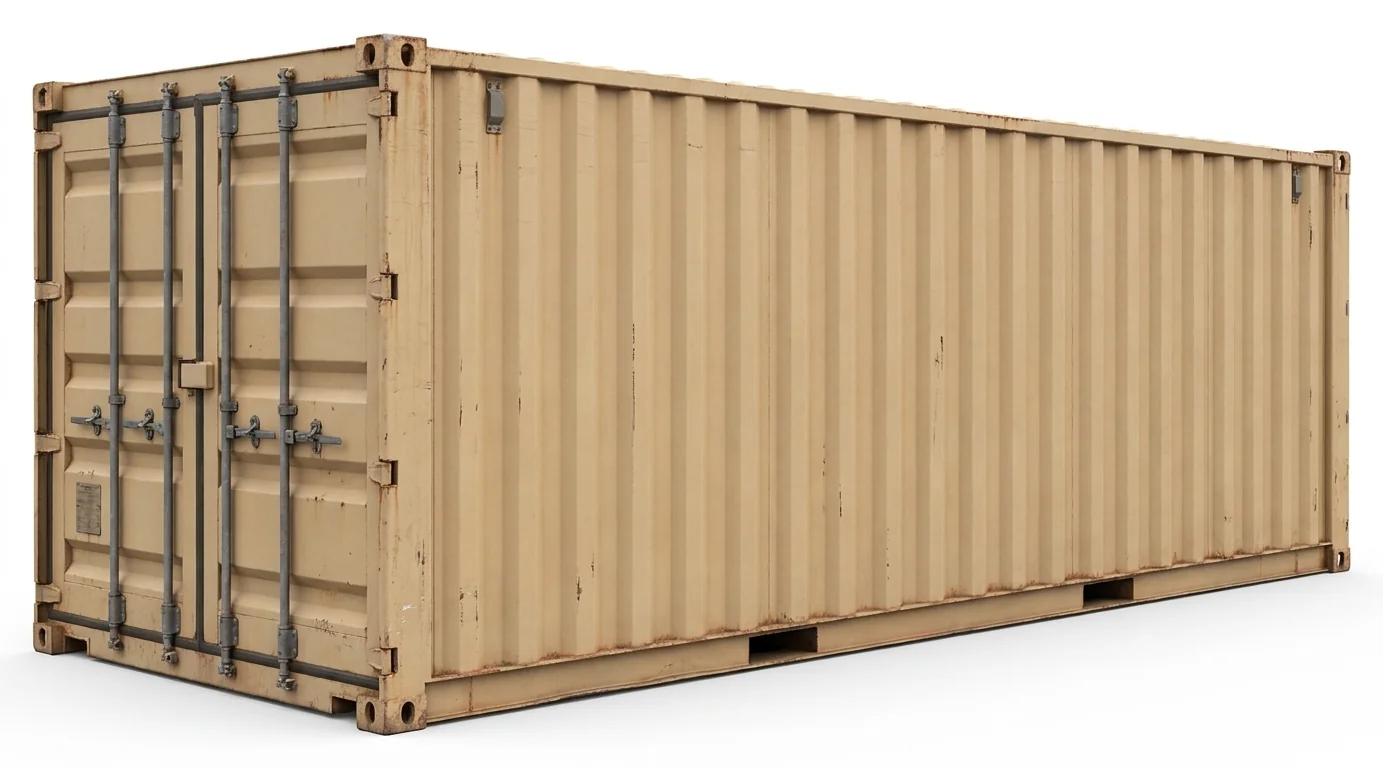
Common choices include standard-height versus high-cube and single versus double doors. For tool cribs that serve multiple crews, double-door access shortens retrieval time. High-cube helps when storing lifts’ components, long materials, or tall carts, but check tree limbs and overhead lines along the delivery route.
Project phasing around public schedules
Work near government and education facilities often occurs in defined windows. If a container must relocate between phases, look at shorter lengths and clear tow paths that avoid saturated grass or clay after storms.
Related material handling
Staging often pairs with equipment movement: - Palletized loads on slab: see /forklift-rental/ - Rougher ground or elevated placement needs: see /telehandler-rental/ - For secure perimeters around the container area: see /temporary-fencing-barricades-rental/
Tallahassee notes
Rolling grades and frequent rain argue for conservative placement on the firmest ground available. A stable pad reduces door binding and keeps access predictable for crews moving between facilities and industrial edges.