Start with load, aisle, and lift height
- Load: weight, dimensions, and center of gravity affect mast class
- Aisle: minimum turning aisle controls truck length and counterbalance selection
- Lift height: rack top or truck bed height sets mast stage and free-lift needs
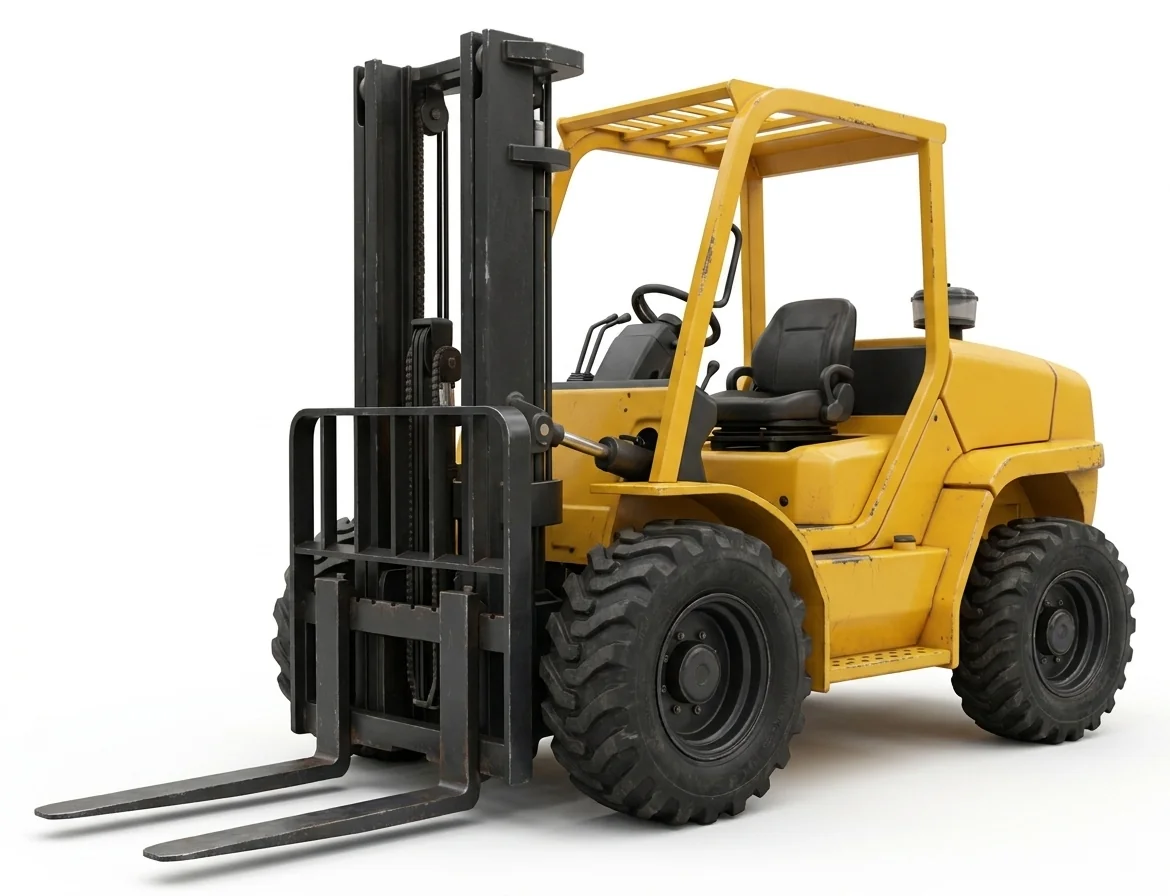
If you’re staying indoors on smooth slab, an electric or cushion-tire unit often fits. If the route crosses thresholds to outdoor pads or compacted clay, a pneumatic-tire truck or a rough-terrain option may be necessary.
Tallahassee surfaces and routes
Red Hills clay can be slick or rutted after rain, so outdoor segments challenge cushion-tire units. Even short exterior hops between buildings can justify pneumatic tires and higher ground clearance. Check dock plates, curb cuts, and apron slopes where grades change quickly.
Measurements that narrow the truck
- Aisle width from rack to rack and the tightest turn in the route
- Door and gate clear widths and overhead obstructions
- Mast lowered height for doors and mezzanines; raised height for top rack
- Tire type for interior-only vs. mixed-surface travel
- Power: electric for indoor air quality and predictable routes; internal combustion for long outdoor runs
Typical Tallahassee applications
- Warehouse picking and pallet moves on slab floors
- Cross-dock work with short exterior transitions on mixed pavement
- Yard support on compacted soil near industrial sites where clearance helps
Related equipment
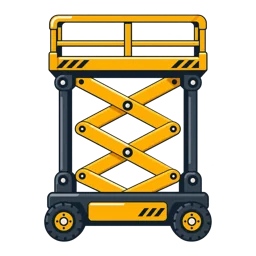
If most of the work is on unpaved ground or requires elevated placement, compare /telehandler-rental/. For personnel access to install after unloading, see /vertical-mast-lift-rental/ or /electric-scissor-lift-rental/.
Conditions and instructions govern
Actual floor ratings, weather, and the unit’s instructions determine limits. Confirm the route end to end before matching a truck profile.