Define the work zone and surface
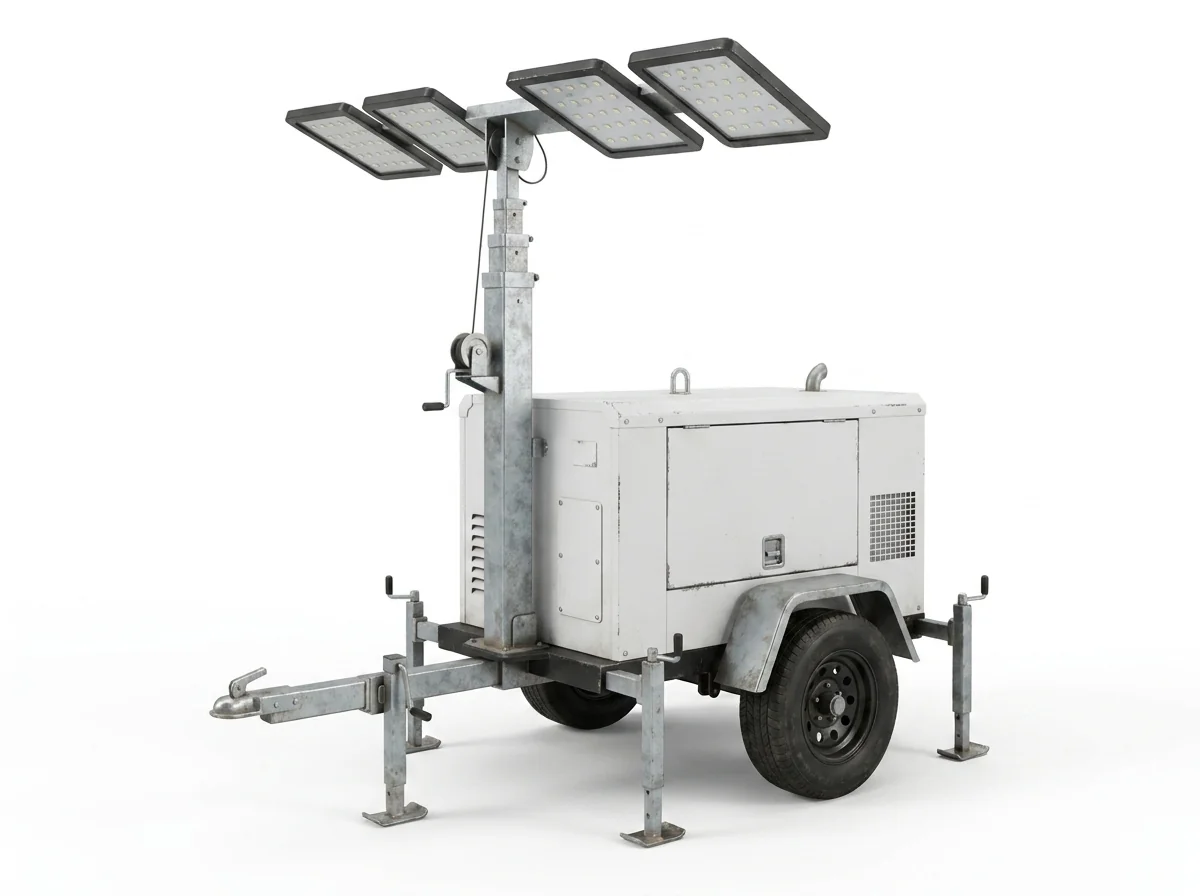
Start with where the unit will live. Can the machine sit below the task on firm ground, or will it traverse a clay slope after a storm? On paved maintenance yards, compact towable light towers and smaller generators move easily. On unpaved job sites around utility work or new construction, heavy clay and roll-off grades favor rough-terrain frames and wider wheelbases.
Key checks: - Surface: slab, packed base, or slick clay - Slope: flat lot, mild roll, or notable grade - Access: width of gates and turns from the street to staging
Power sizing in mixed-use facilities
Government corridors and campus facilities range from light maintenance loads to heavier construction tools. Determine starting amperage for motor loads, then consider continuous draw for lighting, fans, or small welders. If sensitive gear is involved, note whether the application needs inverter-style output or enhanced voltage regulation. Long cable runs across courtyards or parking lots introduce voltage drop; plan capacity with that distance in mind.
Lighting layout across uneven ground
In open lots or airside perimeters, light towers may face variable footing and wind exposure. Tower selection changes with mast height, luminaire count, and fuel autonomy. Think in terms of light placement: can the tower sit back on firm ground and cast across the task, or must it stand within the work zone on softer soil? Taller masts reach over stored materials and fencing but add leverage on slopes; base width and outrigger footprint become limiting factors.
Transport and staging in the Red Hills
Routes that cross curb cuts, drainage swales, or compacted clay require clearance and hitch height awareness. A simple tow-behind may be fine for city lots; for rural edges and clay drives, prioritize units with larger tires and higher ground clearance.
Related lift planning
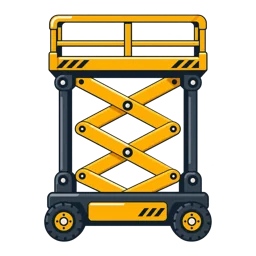
If the lighting or cabling work moves overhead, compare lift categories by surface and reach: - Indoor access on slab: see /electric-scissor-lift-rental/ - Outdoor staging on clay or grass: see /rough-terrain-scissor-lift-rental/ - Point access above obstacles: see /boom-lift-rental/ and /articulating-boom-lift-rental/
Tallahassee notes
Frequent rain events turn topsoil slick, and short windows around institutional schedules compress setup time. Reliable footing and quick repositioning often matter more than squeezing in the smallest unit.